
TRL 4 vs TRL 5 vs TRL 6: What Is the Difference?
By Dr. Ahmed Mortuza Saleque · Updated · How we check our content
The short answer
TRL 4 means the components work together in the lab. TRL 5 means those components have been validated under realistic conditions, called a relevant environment. TRL 6 means a representative prototype of the whole system, not just its components, has been demonstrated in that relevant environment. So 4 to 5 changes the environment, and 5 to 6 changes components into a system.
Open the TRL Assessment →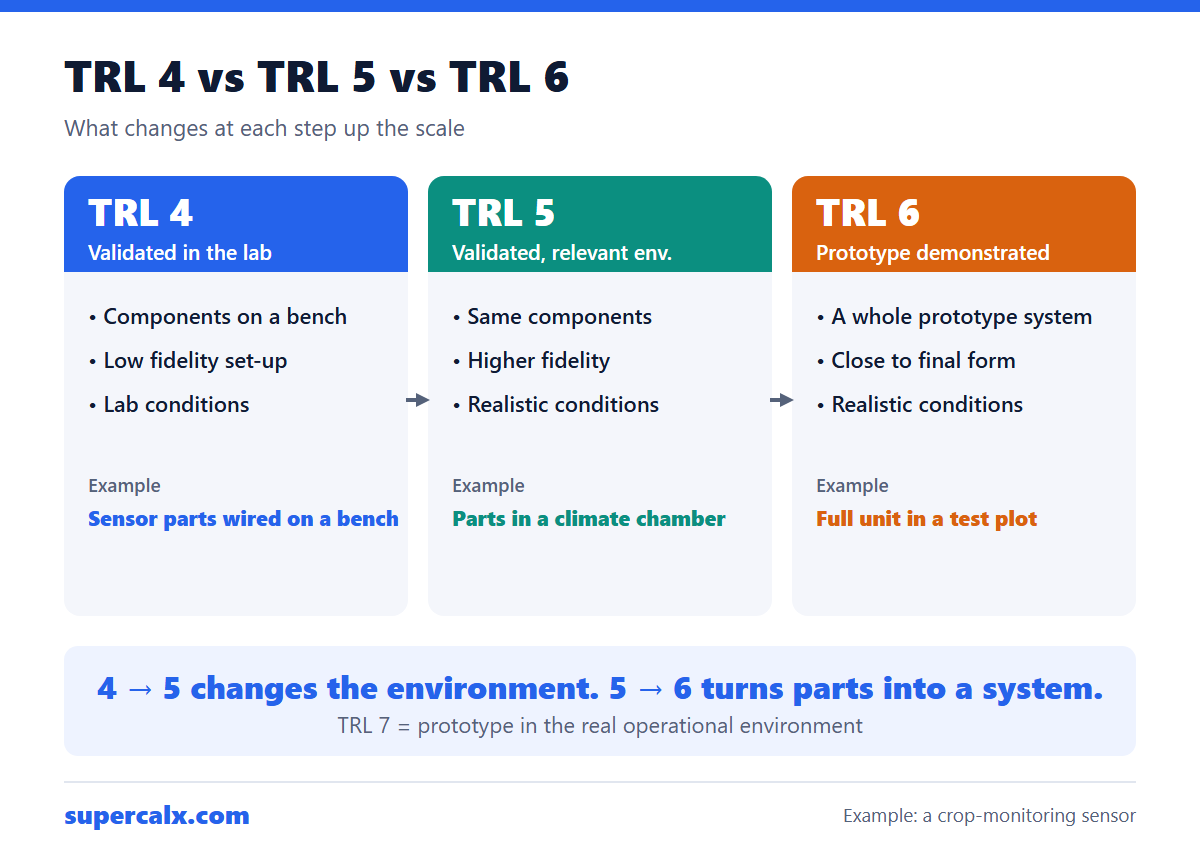
Side by side
| TRL 4 | TRL 5 | TRL 6 | |
|---|---|---|---|
| What is tested | Components or breadboard | Components at higher fidelity | Representative prototype system |
| Where | Laboratory | Relevant environment | Relevant environment |
| Fidelity | Low: lab parts, ad hoc set-up | Medium: closer to real parts | High: close to final form |
| Typical evidence | Bench test report | Test report under realistic conditions | Prototype demonstration report |
What is a relevant environment?
A relevant environment reproduces the conditions that matter most for the technology, without being the real place of use. For a sensor that goes on a ship, it might be a salt-spray chamber and a vibration table. For software, it is realistic data volumes and loads on hardware like the real system. For a medical device, it might be an animal model or a simulated clinical setting.
The operational environment is the real setting, and testing there is what TRL 7 requires.
Example: a crop-monitoring sensor
- TRL 4: the sensor chip, battery and radio are wired together on a lab bench and send readings.
- TRL 5: the same components are tested in a climate chamber at field temperatures and humidity, with real soil samples.
- TRL 6: a full prototype unit in a weatherproof case runs for a month in a test plot set up to mimic a farm.
- TRL 7 would be prototype units working on a real farm through a growing season.
Plot the test readings in the Data Plotter to show reviewers how performance held up as conditions got harder.
Moving up a level
Each step usually costs more than the one before, because test set-ups get more realistic and prototypes get closer to the final design. Plan the tests needed for the next level as work packages on a Gantt chart, and check your current level with the free TRL Assessment before you claim it in a proposal.
Common questions
What is the difference between TRL 4 and TRL 5?
Both test components, but TRL 4 is in the lab and TRL 5 is under realistic conditions in a relevant environment.
What does TRL 6 mean?
A representative prototype system or subsystem has been demonstrated in a relevant environment.
Is a simulation enough for TRL 5?
Usually not on its own. TRL 5 normally needs physical tests under realistic conditions; simulations support the evidence.
What is the difference between TRL 6 and TRL 7?
TRL 6 demonstrates a prototype in a relevant (simulated realistic) environment; TRL 7 demonstrates a near-final prototype in the real operational environment.
Calculators for this article
More from the blog
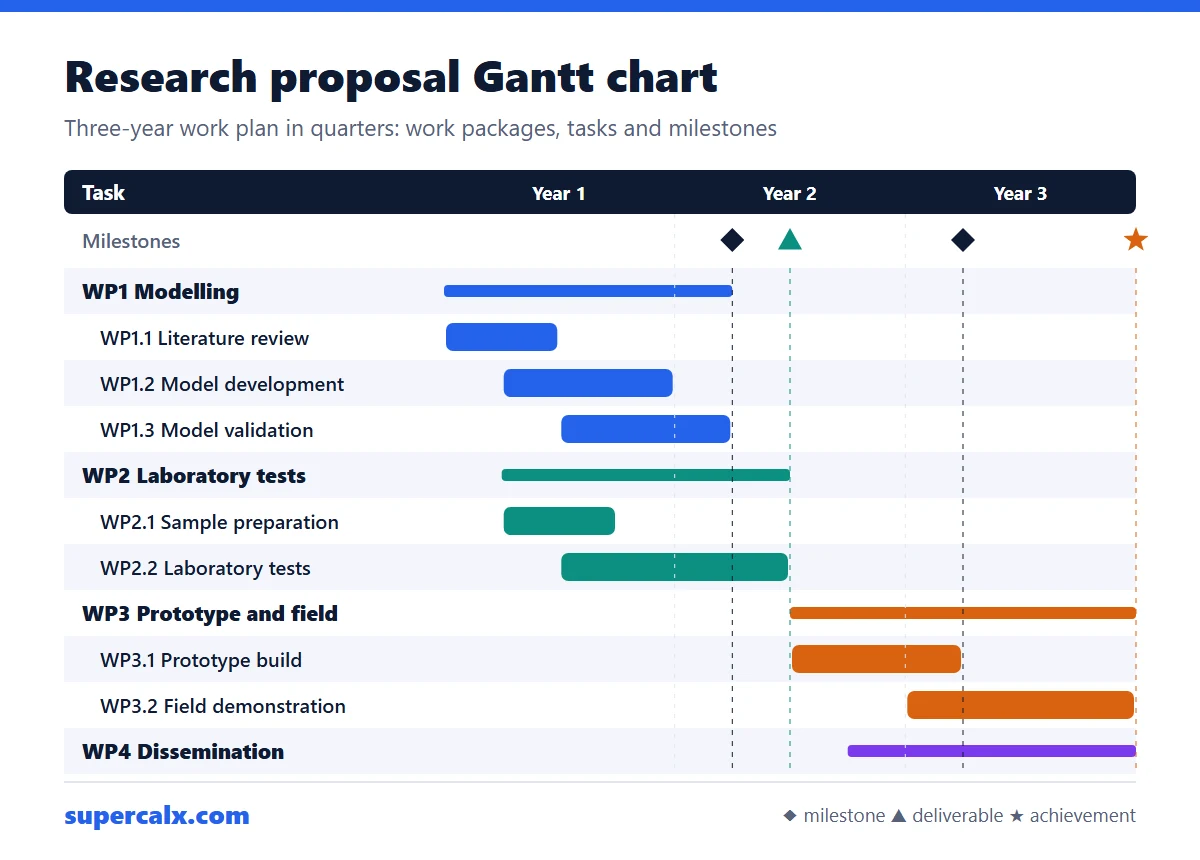 Gantt Chart for a Research Proposal: Example and Template
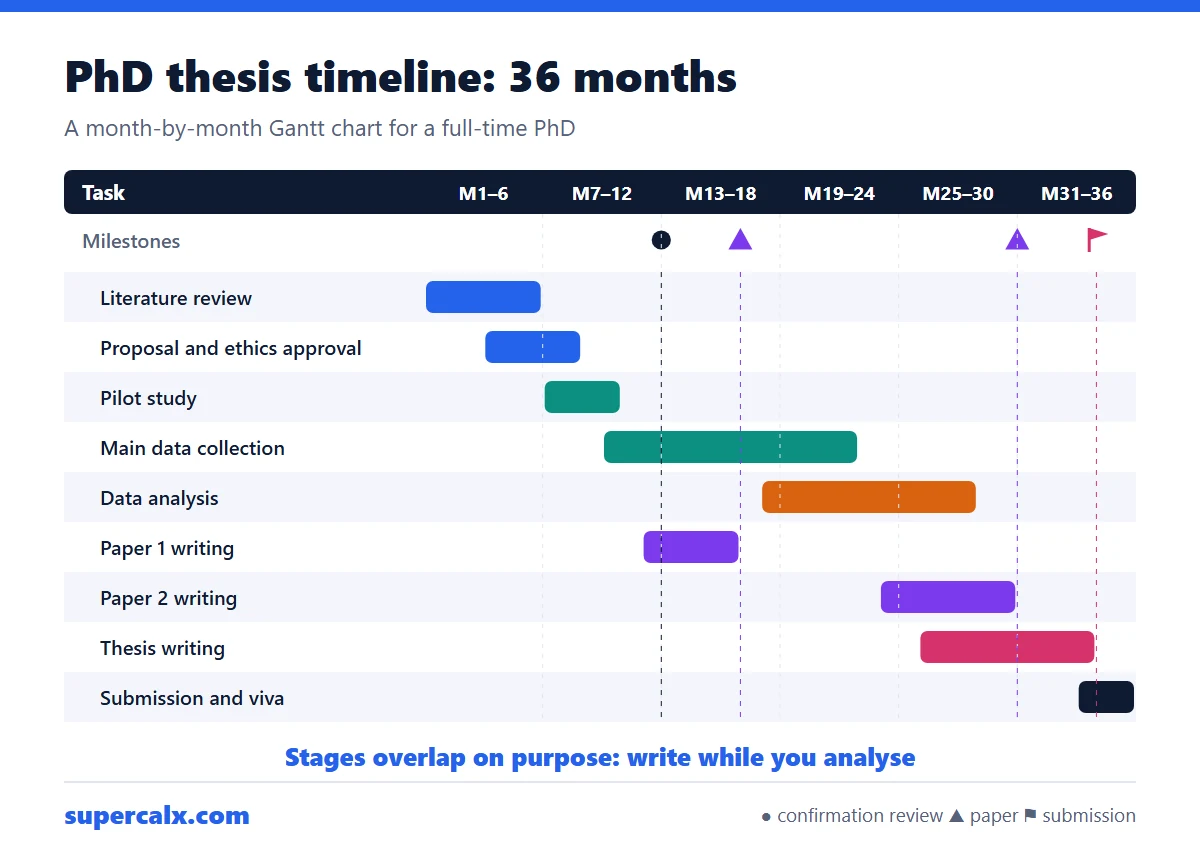 PhD and Thesis Gantt Chart: Timeline Example by Month
 Gantt Chart Milestones and Deliverables: How to Show Them
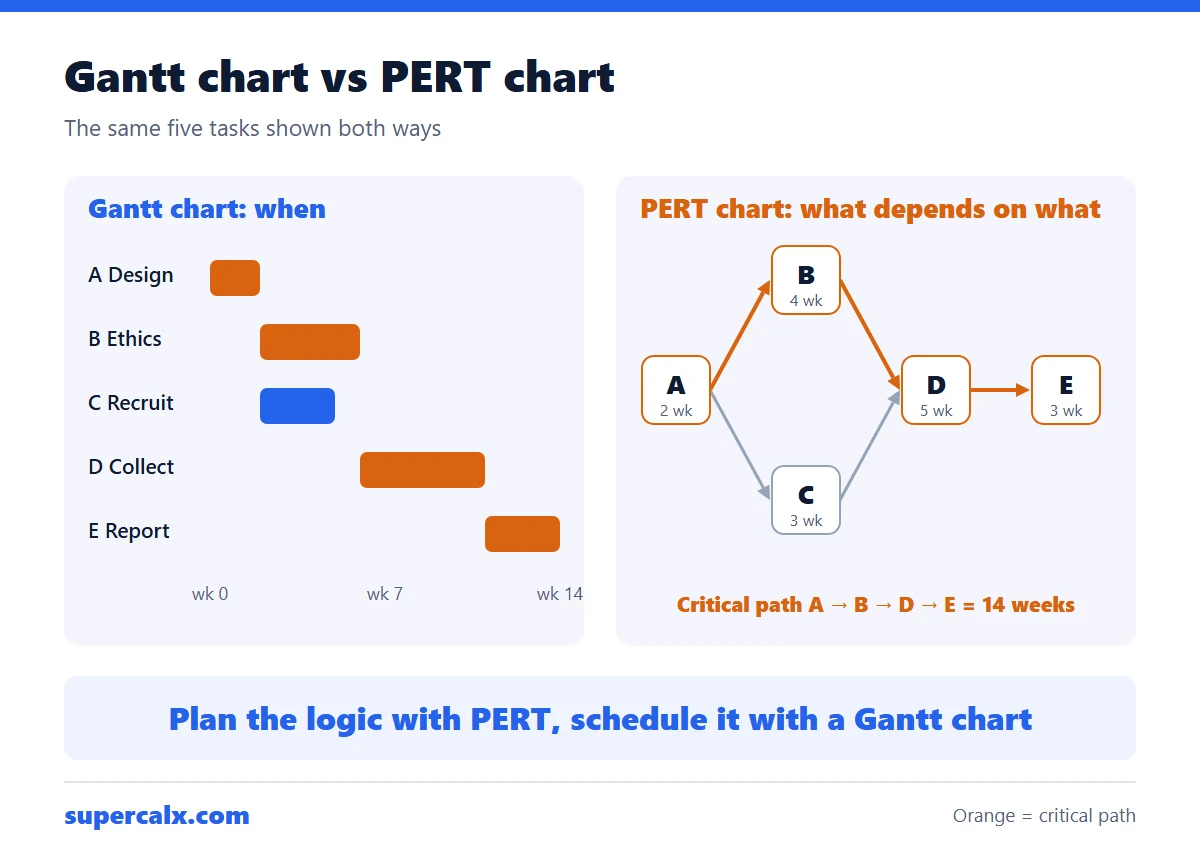 Gantt Chart vs PERT Chart vs Timeline: Which to Use
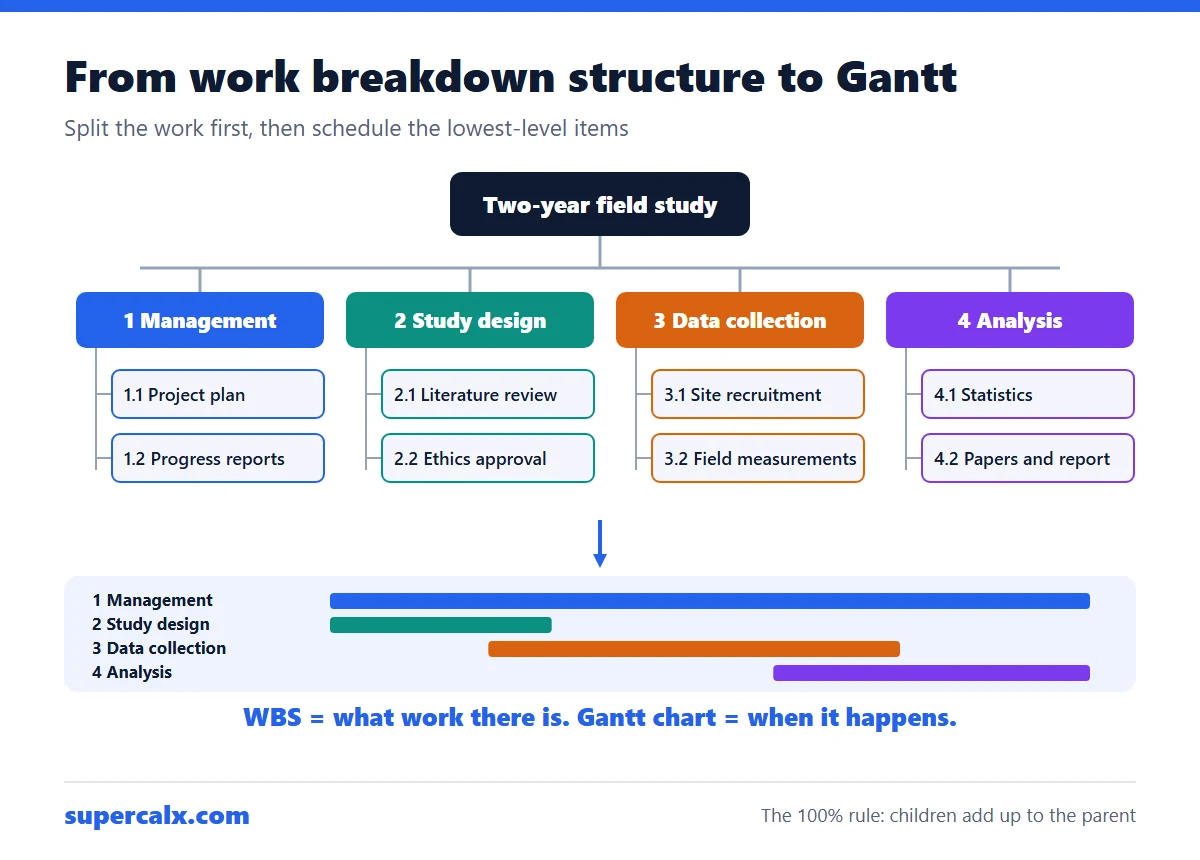 Work Breakdown Structure Example: From WBS to Gantt Chart
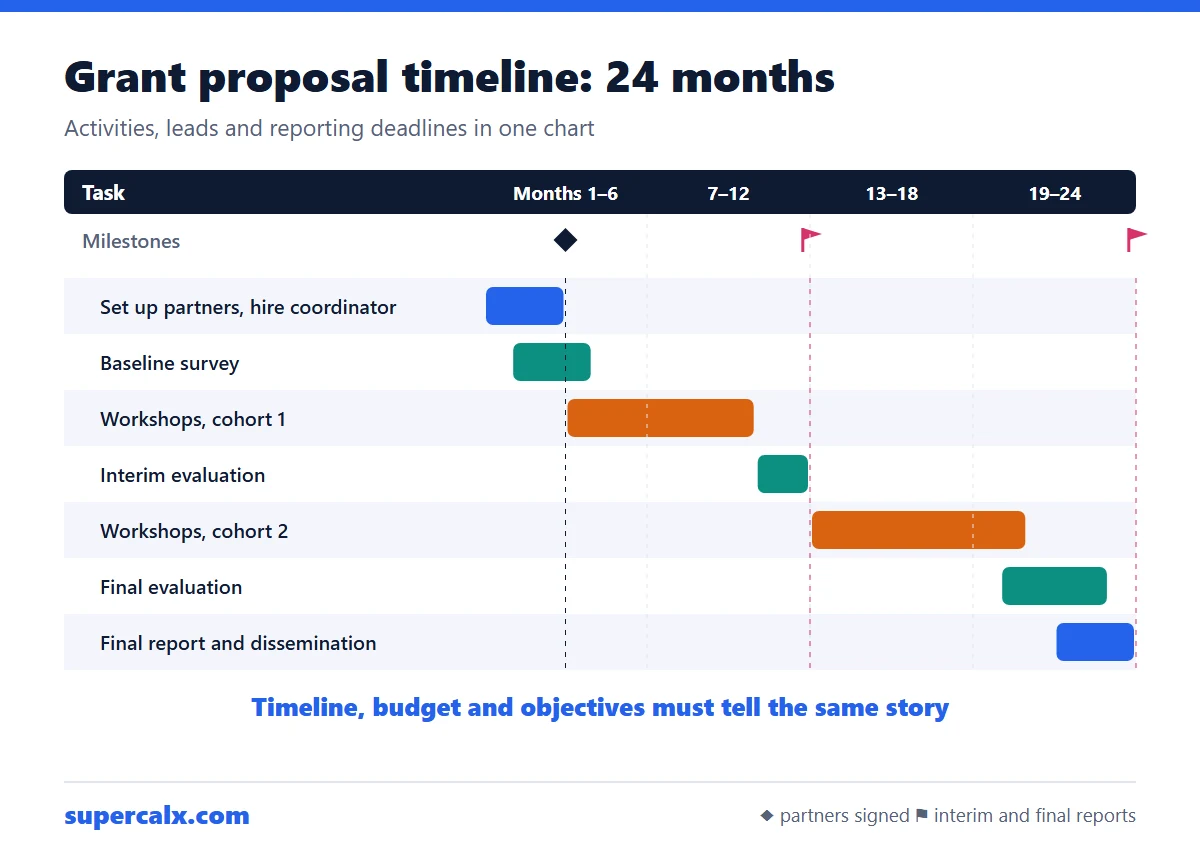 How to Write a Grant Proposal Timeline (With Example)
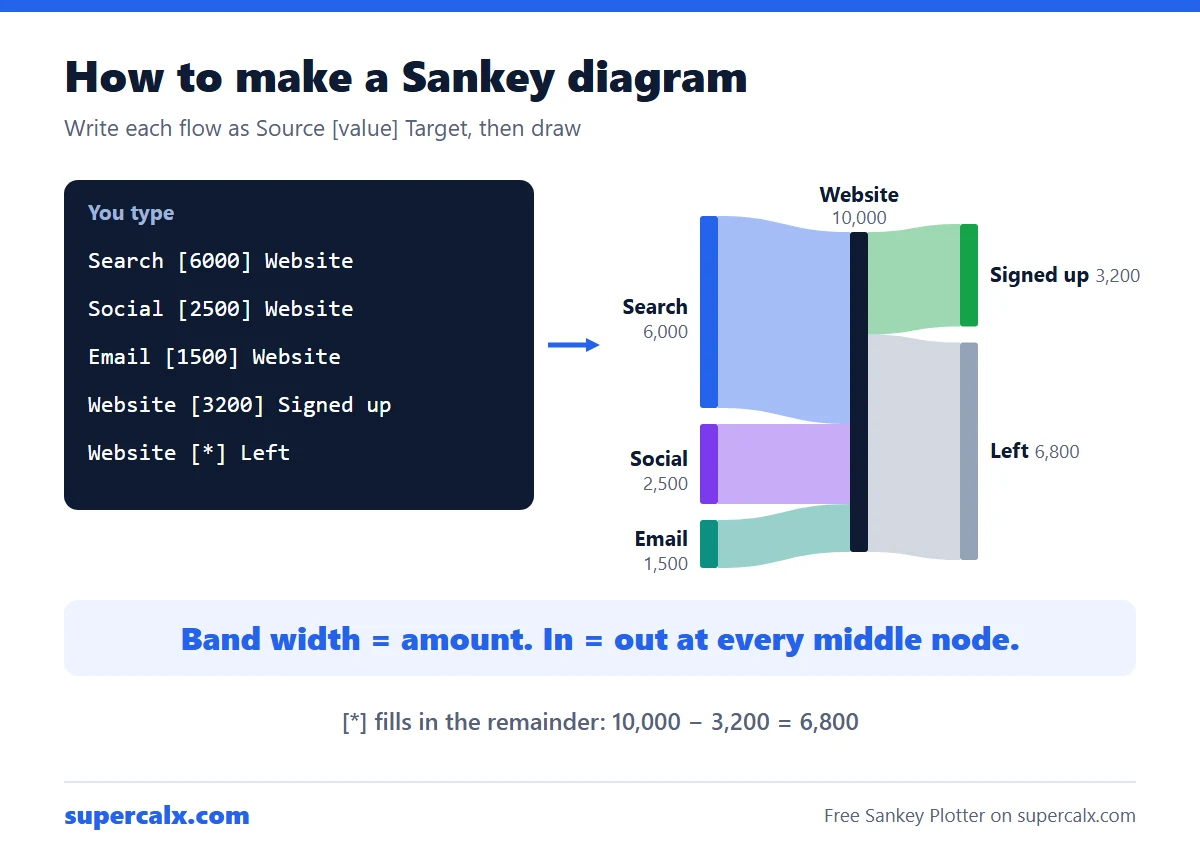 How to Make a Sankey Diagram (Free, No Excel Add-in)
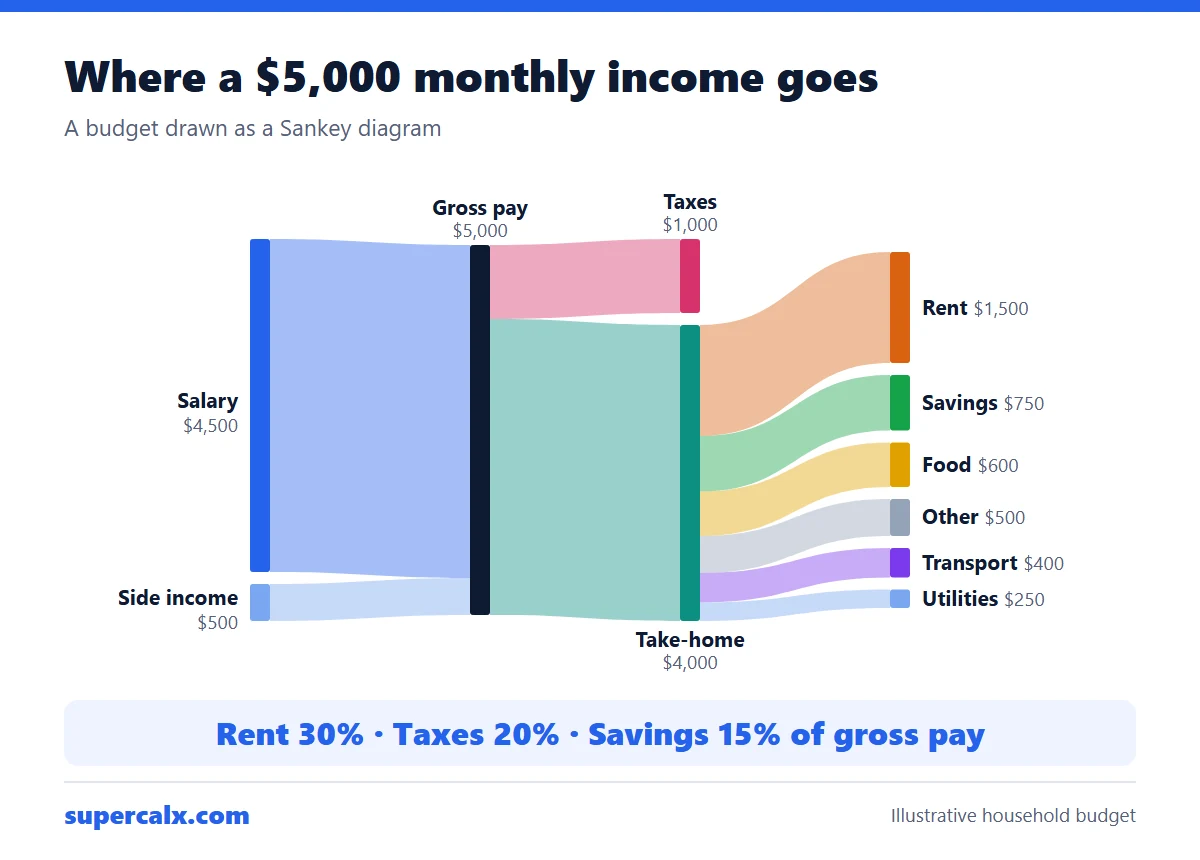 Sankey Diagram for a Budget: See Where Your Money Goes