
TRL vs MRL: Technology and Manufacturing Readiness Levels
By Dr. Ahmed Mortuza Saleque · Updated · How we check our content
The short answer
TRL measures whether a technology works; MRL measures whether it can be made reliably at the needed rate and cost. TRL runs from 1 to 9 and MRL from 1 to 10. The two rise roughly together, but a product can reach TRL 7 with a hand-built prototype while still at MRL 5 or 6. Hardware projects heading for production need both ratings.
Open the TRL Assessment →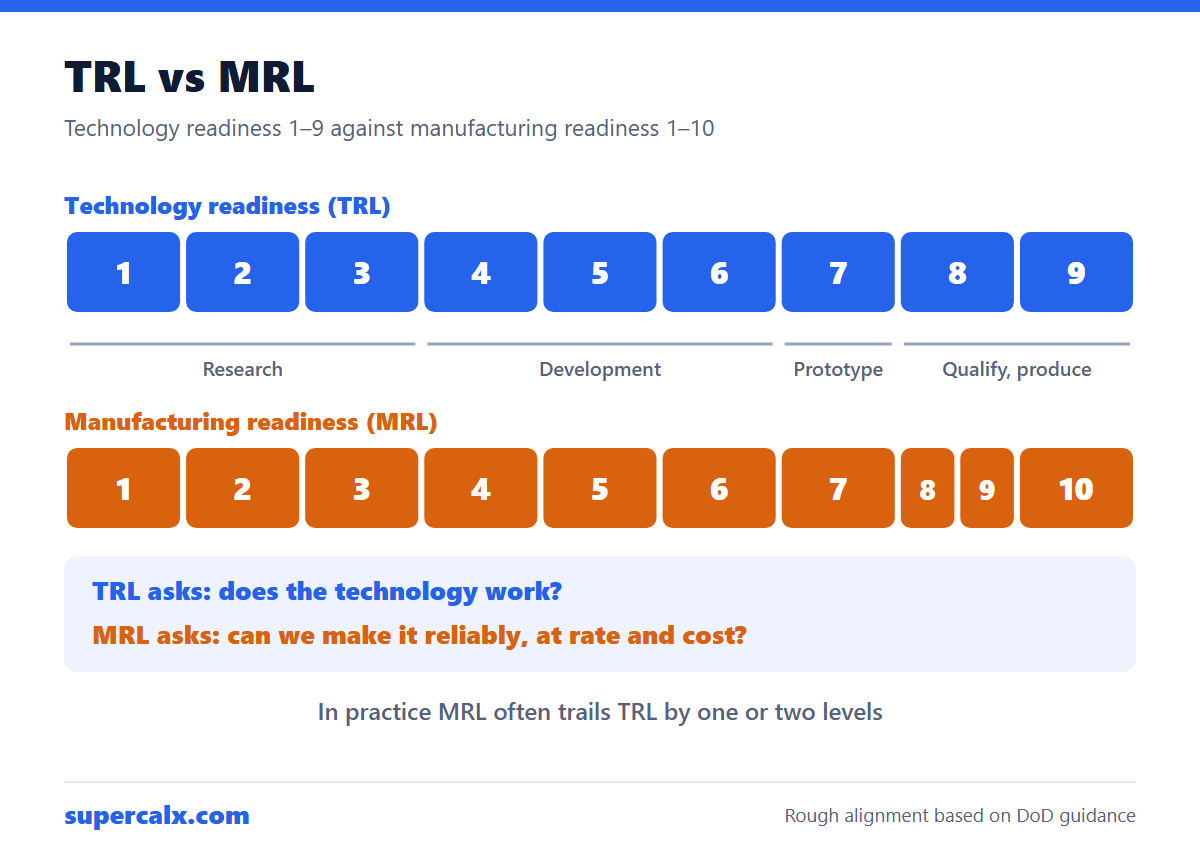
The ten manufacturing readiness levels
U.S. Department of Defense definitions, shortened.
| MRL | Meaning |
|---|---|
| 1 | Basic manufacturing implications identified |
| 2 | Manufacturing concepts identified |
| 3 | Manufacturing proof of concept developed |
| 4 | Capability to produce the technology in a laboratory environment |
| 5 | Capability to produce prototype components in a production-relevant environment |
| 6 | Capability to produce a prototype system or subsystem in a production-relevant environment |
| 7 | Capability to produce in a production-representative environment |
| 8 | Pilot line demonstrated; ready for low-rate initial production |
| 9 | Low-rate production demonstrated; ready for full-rate production |
| 10 | Full-rate production demonstrated, lean practices in place |
How TRL and MRL line up
| Phase | TRL | MRL |
|---|---|---|
| Research | 1–3 | 1–3 |
| Lab and relevant-environment validation | 4–6 | 4–6 |
| Operational prototype | 7 | 7 |
| Qualification and early production | 8 | 8–9 |
| Proven in service, full production | 9 | 10 |
This alignment is a rough guide. In practice MRL often lags TRL by one or two levels, because prototypes are built by hand long before a process exists to make them in volume.
Example: a new composite drone arm
- TRL 6: a prototype arm passes vibration and load tests in a lab rig that mimics flight.
- MRL 4 at the same time: the arm is laid up by hand by one technician; cycle time is two days.
- To reach MRL 6, the team needs a repeatable mould, a documented process and parts made in a production-relevant workshop.
The cost side moves with MRL: the break-even calculator shows how many units must sell once tooling costs are known, and the average fixed cost calculator shows how those costs spread over volume.
Other readiness scales
- IRL, integration readiness level: how well two technologies have been shown to work together.
- SRL, system readiness level: combines TRLs and IRLs for a whole system.
- CRL, commercial readiness level: market and business maturity, used by some energy agencies.
Start with the technology itself: the free TRL Assessment includes questions on build capability and quality systems, which also point to manufacturing gaps.
Common questions
What is the difference between TRL and MRL?
TRL rates how mature the technology is; MRL rates how mature the process to manufacture it is.
How many manufacturing readiness levels are there?
Ten, from MRL 1 (basic manufacturing implications identified) to MRL 10 (full-rate production with lean practices).
Can MRL be higher than TRL?
Rarely. You cannot normally prove a production process for a technology that has not been shown to work, so MRL usually equals or trails TRL.
Who uses MRLs?
The U.S. Department of Defense created them, and they are used in defence, aerospace and other hardware industries, often alongside TRL.
Calculators for this article
Sources
More from the blog
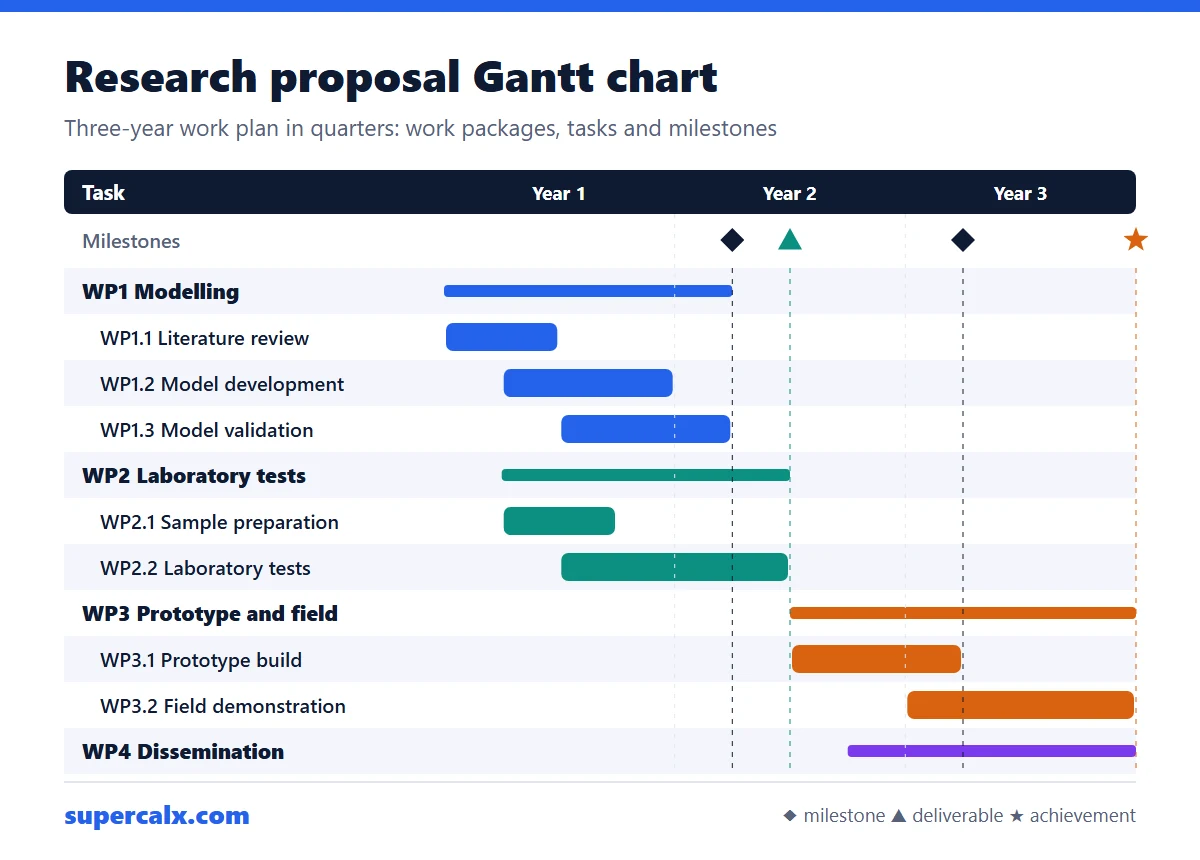 Gantt Chart for a Research Proposal: Example and Template
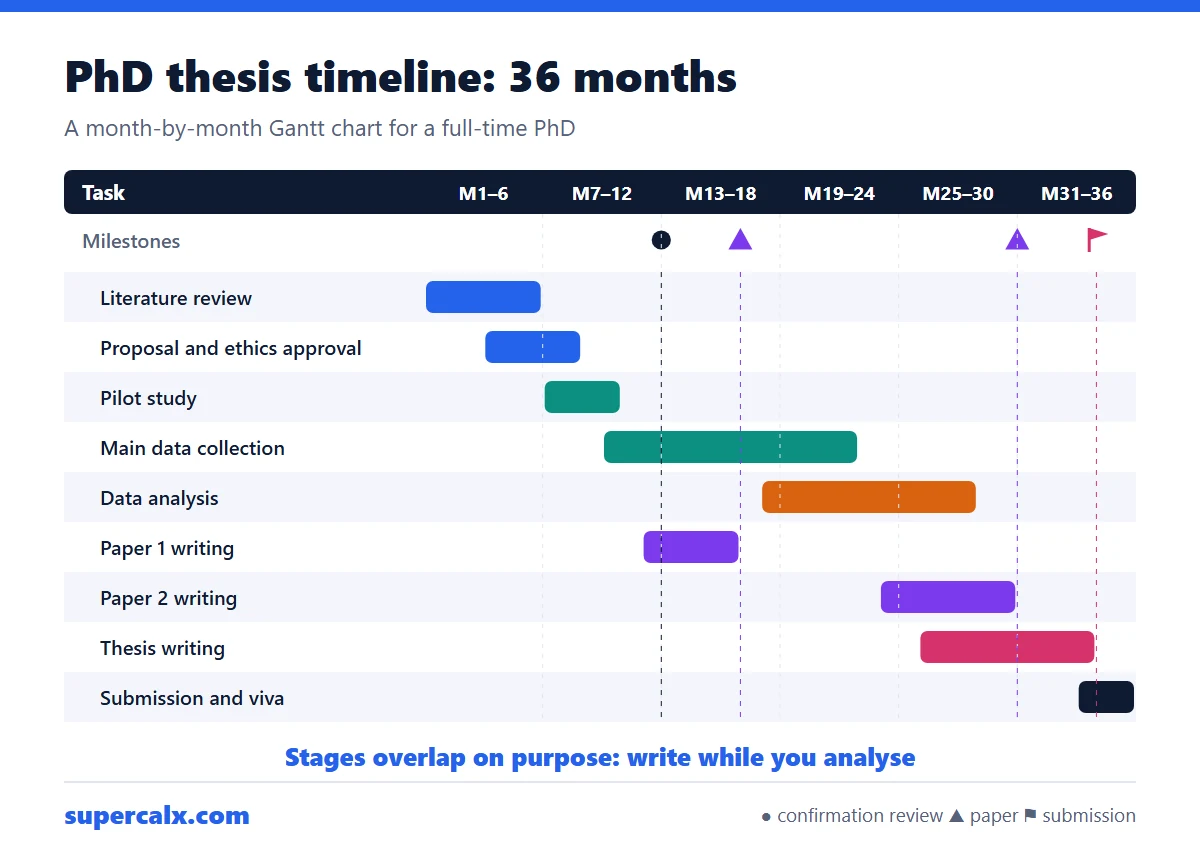 PhD and Thesis Gantt Chart: Timeline Example by Month
 Gantt Chart Milestones and Deliverables: How to Show Them
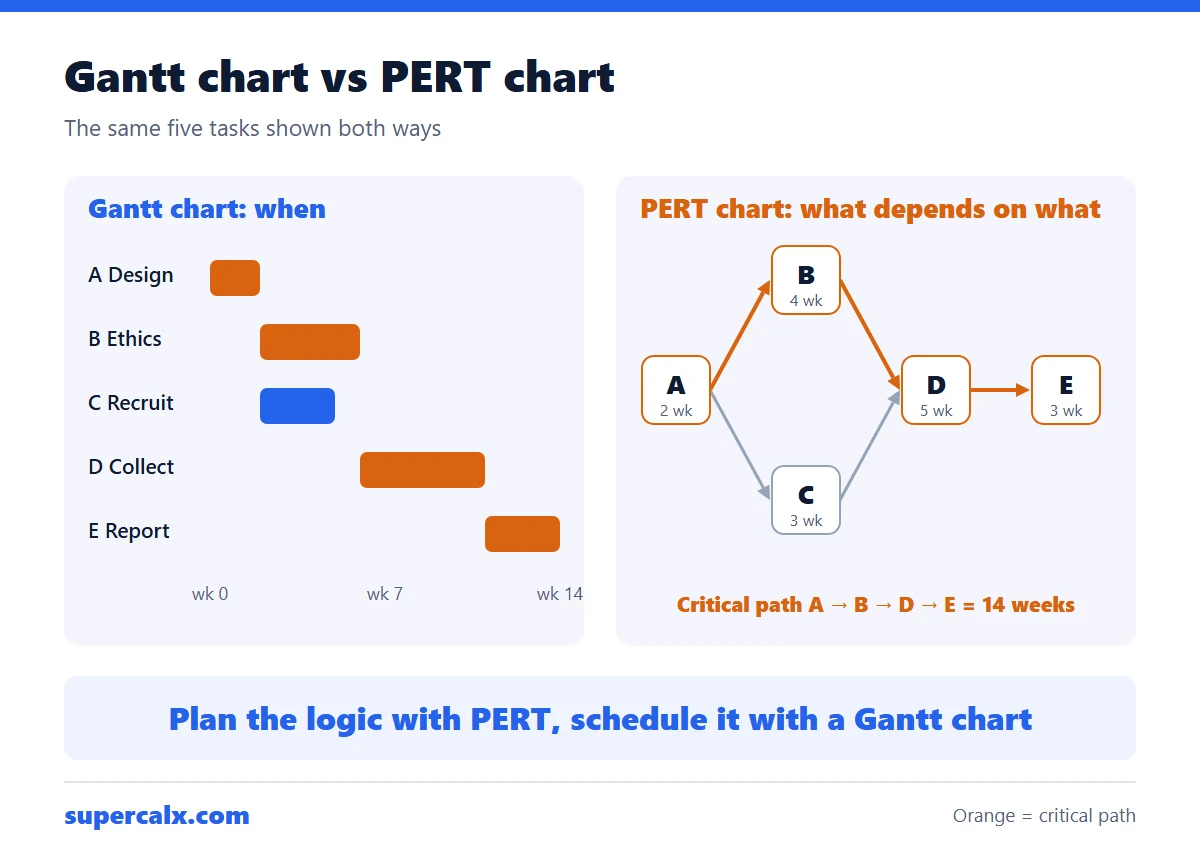 Gantt Chart vs PERT Chart vs Timeline: Which to Use
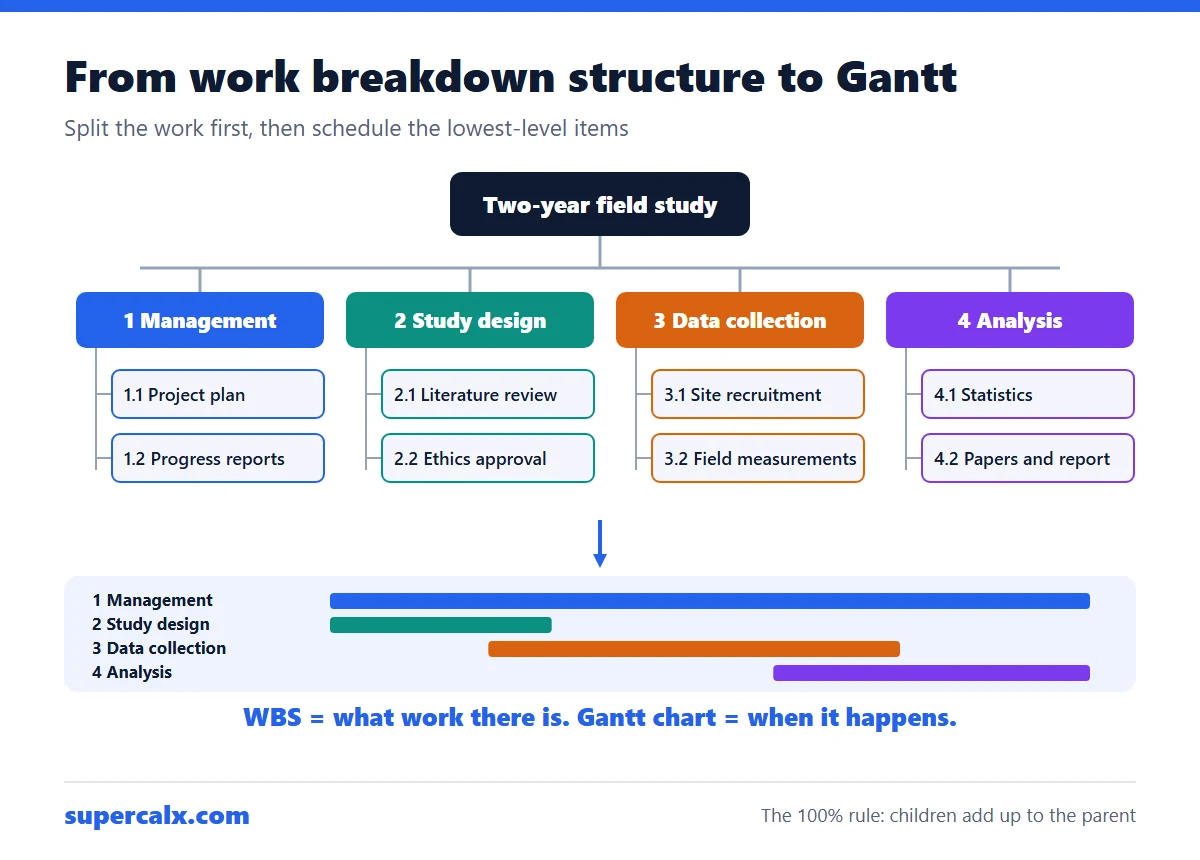 Work Breakdown Structure Example: From WBS to Gantt Chart
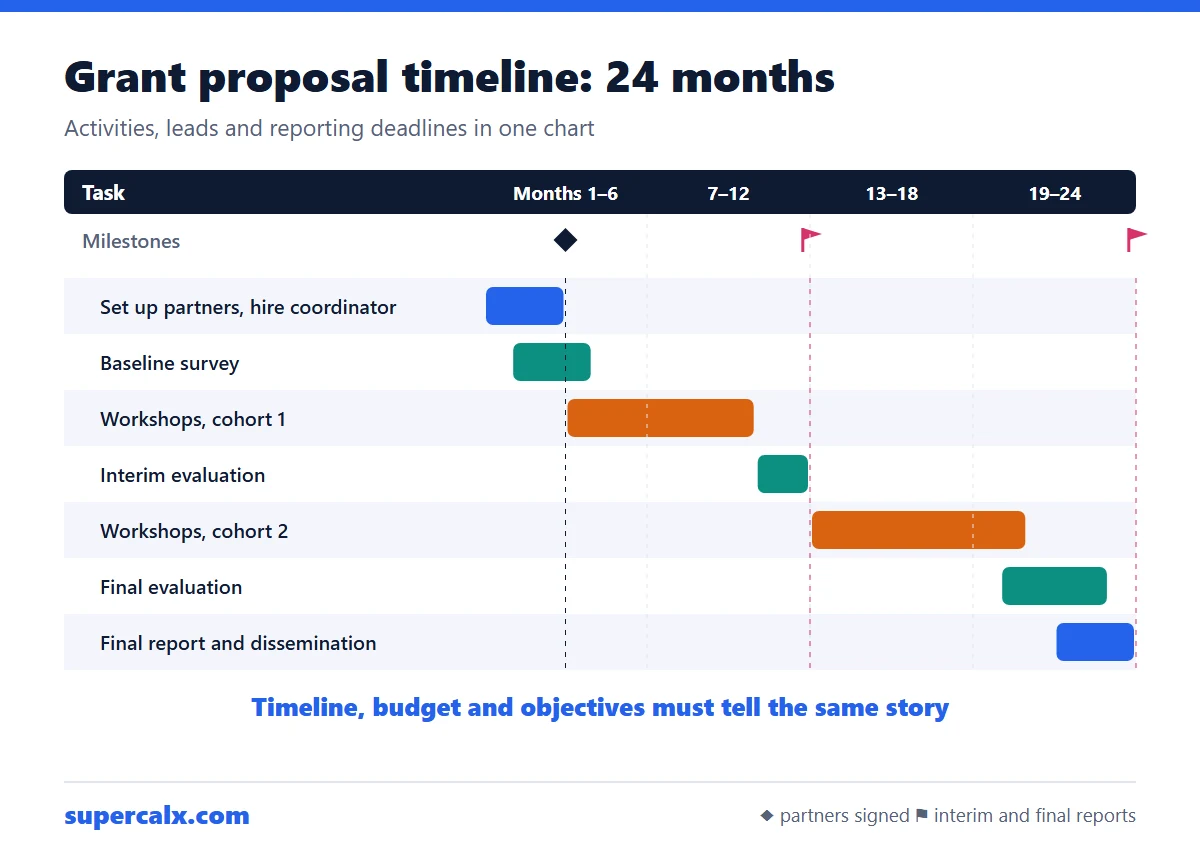 How to Write a Grant Proposal Timeline (With Example)
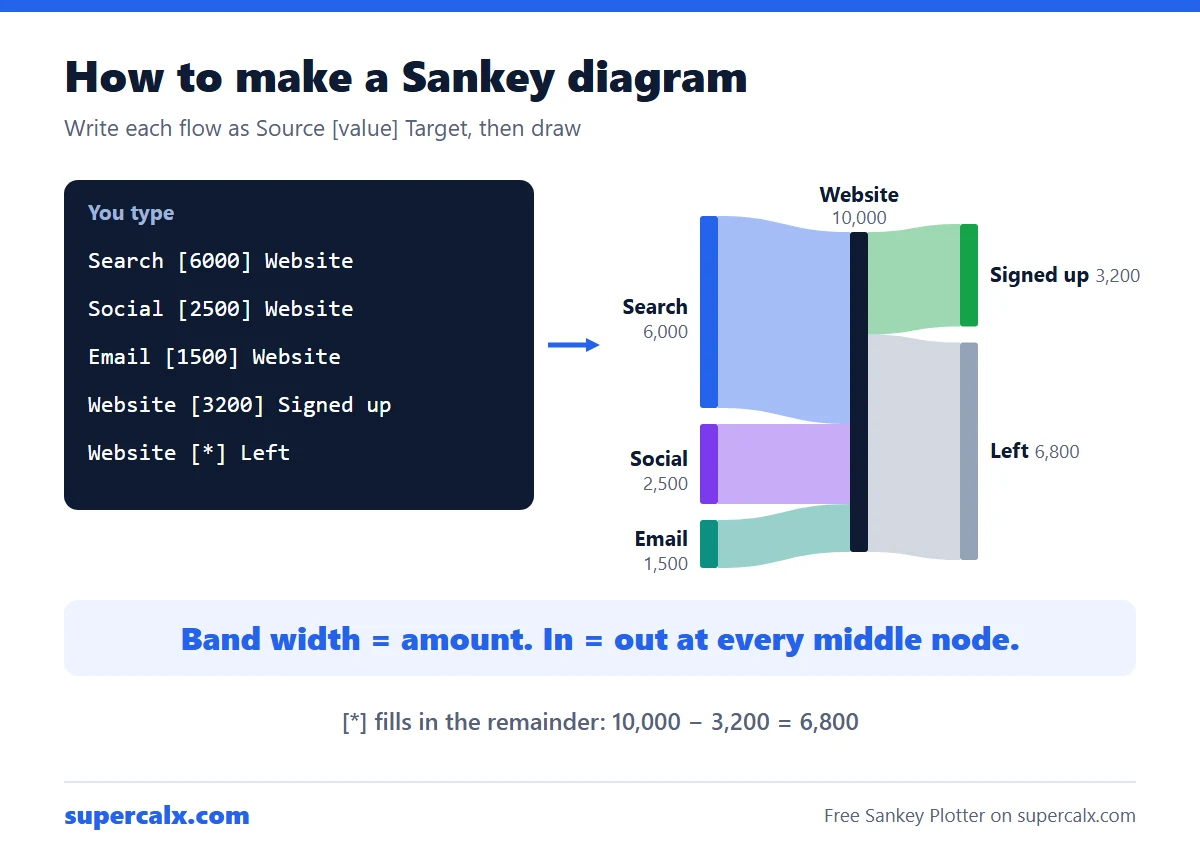 How to Make a Sankey Diagram (Free, No Excel Add-in)
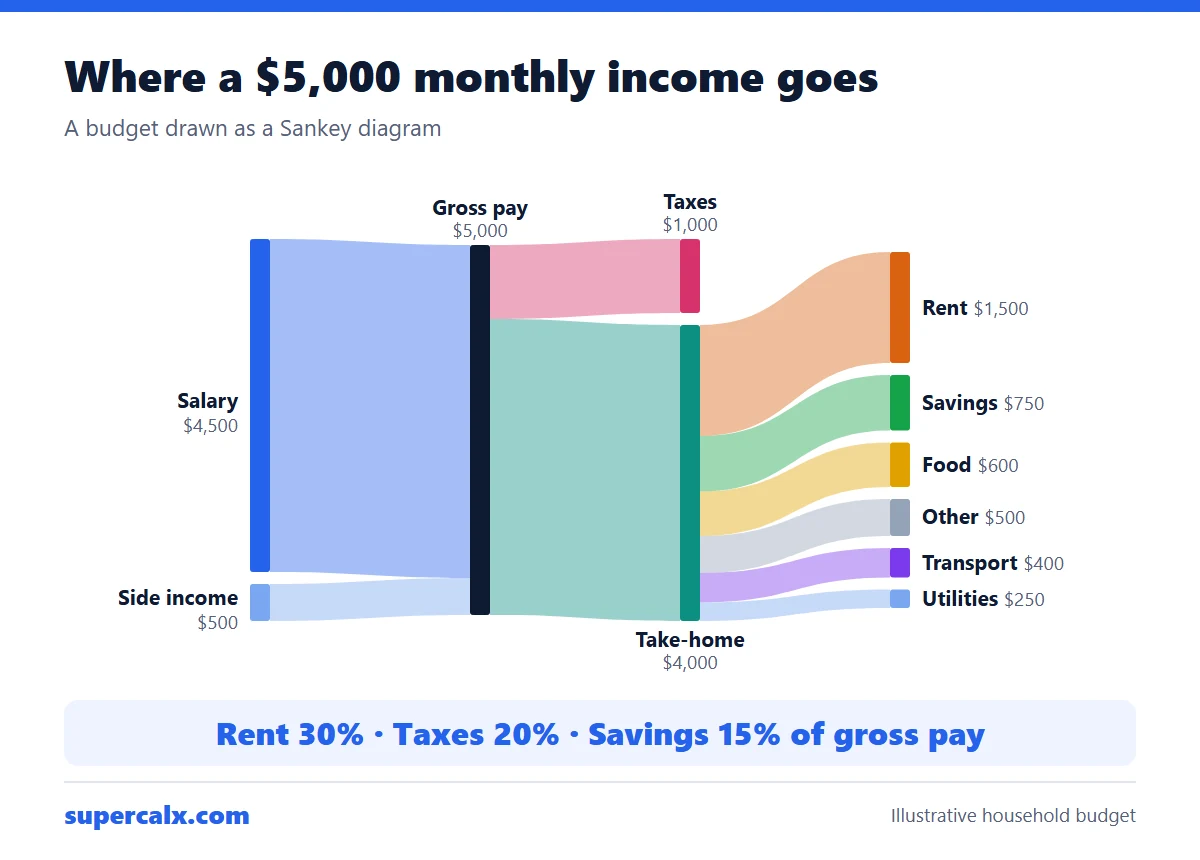 Sankey Diagram for a Budget: See Where Your Money Goes